YouTube
Coming soon · @lepetitatelier is not live yet
The first episodes are being filmed as the workshop is built.
About the channelFour forms, one person reading them
Le Petit Atelier isn't open to the public yet, but you can already help shape it. Tell us what you'd bring, what you'd like us to build, or what you're good at. We read everything and reply.
Intake · not open yet
We'll take broken electronics, clean bottles and caps, print waste, plain cardboard and timber offcuts — once intake opens. Until our battery and e-waste routes are confirmed with licensed recyclers, we can't take electronics in. Tell us what you have and we'll reply with when and how.
Everything is needed unless it says optional.
We use your details only to reply to you (or to send the list, if you ask for it), and delete them when you ask. Privacy notice
Refused items need a licensed recycler. Christchurch City Council's EcoDrop centres take household e-waste and batteries.
Request a project
Anyone can suggest something we could build or fix: a tool for your trap line, a part for your club, a sensor for your classroom, a gadget for someone who needs one.
Every idea is scored on four things
Then we reply. Good ideas go on the public backlog, credited to you if you like.
Everything is needed unless it says optional.
We use your details only to reply to you (or to send the list, if you ask for it), and delete them when you ask. Privacy notice
Volunteers, schools, trappers, partners
We especially need people who:
Groups and public bodies we hope to work with include Akaroa Area School, the Banks Peninsula Community Board and Christchurch City Council's waste minimisation team — none of them are partners yet, and we'll only say so when they are.
Prefer email? [email protected]
Everything is needed unless it says optional.
We use your details only to reply to you (or to send the list, if you ask for it), and delete them when you ask. Privacy notice
Elsewhere
Coming soon · @lepetitatelier is not live yet
The first episodes are being filmed as the workshop is built.
About the channelWhere
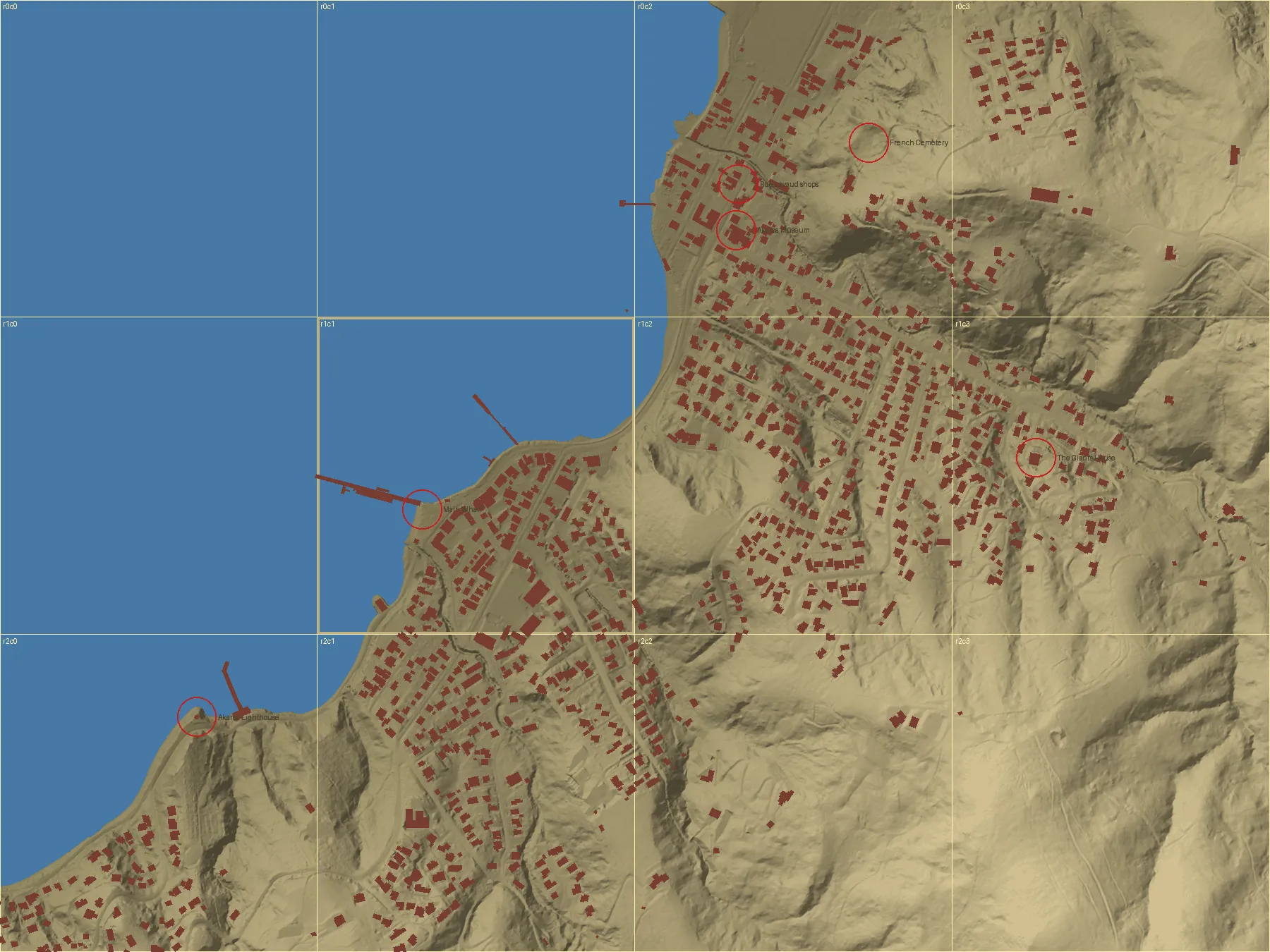
On the main street, across from the organic refill shop. Not open to the public yet — please don't drop things at the door. We'll announce opening hours on the list and in the window.
Questions · 12
Not to the public yet. We’re fitting out the cottage at 63 Rue Lavaud and building the first machines. Join the mailing list and you’ll hear first when the doors open and when the first repair café is on.
Not yet, please. Tell us what you have with the intake form and we’ll reply when we can take it. We won’t take any electronics until our battery and e-waste routes are confirmed — that’s a safety rule, not red tape.
The workshop is a timber building from about 1868, shared with other businesses. A damaged lithium battery can catch fire on its own. So batteries are taken out in the doorway, go into a sand-filled steel tin outside, and leave the site the same day. They are never stored, charged or opened inside. If a battery can’t come out without force, we can’t take the item.
The repair café is free; donations are welcome, never asked for. The plans are free. Later there may be paid workshops for visitors and simple kits for people who’d rather not hunt for parts — the knowledge itself is never for sale.
At the repair café, we fix them with you. You stay with your item and help. It isn’t a drop-off repair service, and repairs aren’t guaranteed.
You can download the plans, build the thing, change it and share your version, for free. Most of our designs are “share-alike”: if you publish an improved version, it stays open too. See the licences on the plans page.
Being prepared for publication. The handbook behind this site is private for now while we tidy it; the download links will appear on the plans page when it goes public. Join the list to hear when.
Sometimes, not always. Recycling locally uses power and time, and recycled filament is usually weaker than new. The honest claim is smaller: waste that would leave the Peninsula becomes useful material here, and everyone can see what recycling really involves. We measure the energy per kilo and publish it.
Yes, with you. Children are welcome at the repair café, accompanied and supervised, and never operate tools. Every project has a beginner level with no heat and no sharp machines. School sessions are planned for 2027.
Tell us what you still do by hand. If a cheap, tough box could do it for you, we’ll design it with you, test it in the field, and publish it free. If you tell us our idea is wrong, we’ll build what you actually need.
Use the “request a project” form. We read every one, reply, and score ideas on four things: impact, how easy it is for a beginner, whether it makes a good video, and whether it can be built from salvage. Good ones go on the backlog, with your first name if you like.
Sebastien Mathieu, the founder, maker and host, through his company Petitgen Ltd. It runs one to two days a week, on purpose: small and careful rather than big and rushed.
Les plans sont gratuits — the plans are free.