What we do

One small workshop, six kinds of work.

Everything here does one of three things: repairs something, gives something a second life, or protects the place we live. Most of it is still being built.

A drink bottle becoming a spool of filament

Recycling du déchet à la matière

Bottles, boxes and print waste, back into use.

We sort waste by material, check any plastic we’re not sure about, and turn clean, single-type material into something useful: filament (the plastic thread 3D printers use), sheets from bottle caps, moulded pulp from cardboard. Dead electronics are taken apart for their motors, rails and screws.

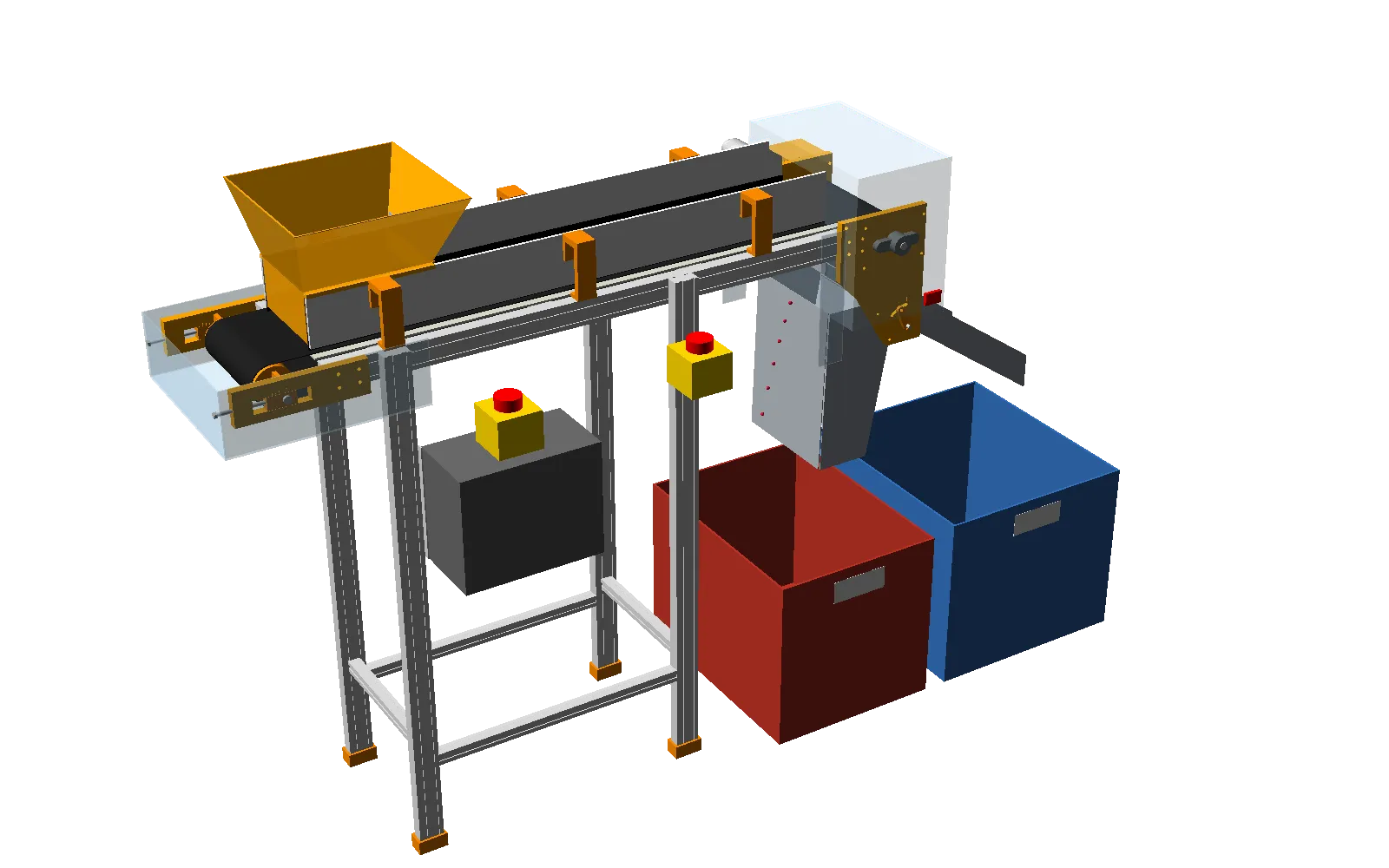
The first machine is a small one that turns a drink bottle into filament. The long-term design is the universal recycler: one modular line that sorts by physics — magnets, air, water, static — into clean streams.
Status First machines being built; most of the line is still on paper.

Recycling projects 12 in the book

Render of a short conveyor with a feed hopper, magnetic head pulley and two collection bins.
Universal recycler: the conveyor module, CAD render
A repaired lamp with a small tag: réparé ici

Repair café réparé ici

Fix it together. Print the part nobody sells.

A free session once a month, on a Saturday. You bring a broken thing; a volunteer sits with you and you fix it together. When a plastic part is missing, we measure it, model it and print it — then publish the file so the next person with the same appliance can print it too.

Status Planning; first date not set.

Repair café projects 2 in the book

A trap box with a small antenna in the bush

Conservation tech pour la presqu’île

Tools for the people protecting the Peninsula.

Volunteer trappers walk long lines to check traps that are mostly empty. Others sort thousands of trail-camera photos by hand. Cheap, tough electronics could give them those hours back: a sensor that says a trap has fired, a camera that counts what walks past.

The rule We build what they ask for, not what’s fun to build. A clever device nobody carries up a hill is a failure, however good the video.

Status Ideas only. We haven’t had the first conversation with trappers yet. That’s the next step.

Conservation tech projects 2 in the book

Teaching & kits pour tous les âges

Same project, three levels.

Every project comes at three levels, so a nine-year-old and an engineer can work on the same thing.

Three stacked steps, one project at three levels

Beginner

For
Families, children with an adult, anyone curious.
What it means
No heat, no sharp machines, no soldering for the youngest. You learn the idea with your hands in under an hour.
The bottle machine at this level
The bottle cutter on its own: a drink bottle becomes a ribbon for rope, weaving or plant ties.

Maker

For
Hobbyists, teenagers, other repair cafés.
What it means
The full build from the published files: print the parts, wire it up, calibrate it, use it.
The bottle machine at this level
The complete bottle-to-filament machine: cutter, heated nozzle, motor and spool.

Expert

For
Engineers, teachers, other workshops.
What it means
The numbers behind it: measurements, failure rates, energy per kilo, and changes worth sending back.
The bottle machine at this level
Diameter feedback for the filament, and print strength tested against new filament.

Ready-made sessions

Class visits, holiday sessions and evening classes are planned from 2027.

  • A bottle becomes a thing
  • Your first circuit (no soldering for under-10s)
  • Teardown of a dead printer
  • Design a part and print it
  • Build a trap counter

Kits come later, with one rule

The design is always free. A kit only sells the convenience of having the parts in one box, and nothing is sold until someone outside the workshop has built and used it.

Schools and groups: get in touch
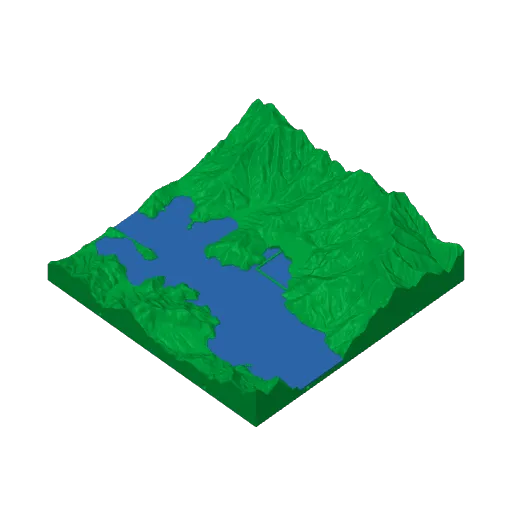
Render of one relief-map tile: Akaroa Harbour in blue between green hills.
Akaroa relief map, one tile, CAD render

Teaching projects 2 in the book

  • Air-quality sensor kit

    Parts list drafted. First prototype to be built on camera.

    Status: designing
  • Akaroa relief maps

    The map-making pipeline works and two test tiles are ready to print. Nothing printed yet.

    Status: building
A free-standing workbench

The workshop l’atelier

Furniture that leaves no mark.

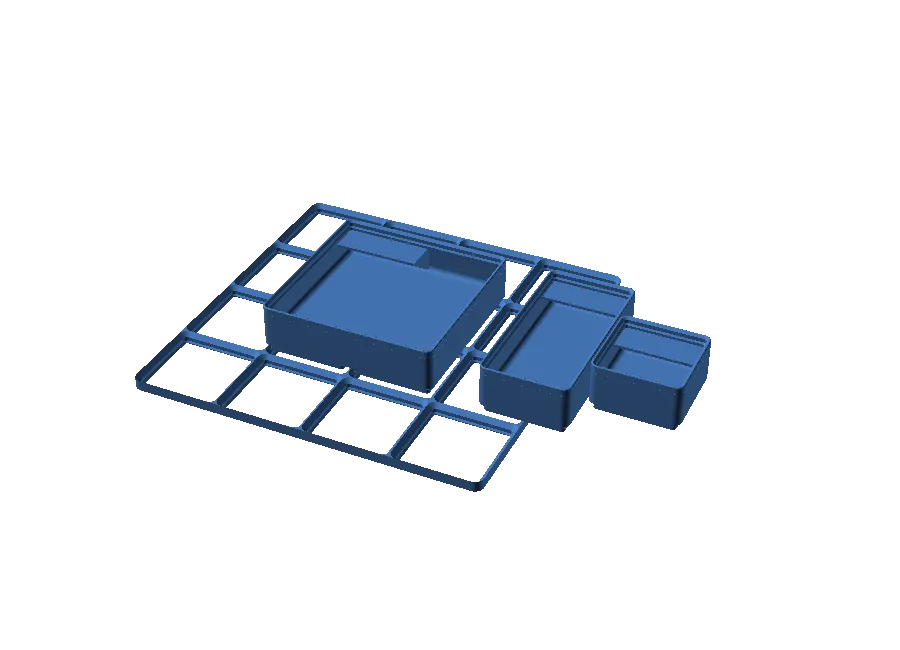
The cottage can’t take a single screw, so we’re drawing furniture that stands on its own. Plywood boxes on a 150 mm grid, joined by printed keys — we call it Caisse, French for crate. Printed storage grids. A bench that packs up and travels to a repair café or a school. All of it will be published.

Workshop projects 2 in the book

  • Caisse — workshop furniture system

    Version 0.2 of the system drawn, with generated layouts and cutting lists. Nothing cut yet.

    Status: designing
  • Scan to 3D

    Paused on 21 October 2026. The processing software is built but not switched on.

    Status: parked
Render of a printed 4 × 4 storage baseplate with three bins of different sizes.
Printed storage grid and bins, CAD render
A camera on a tripod facing the workbench

The channel en direct de l’atelier

Filmed from day one, failures included.

A YouTube channel follows it all: the fit-out, the recycling machines, the repair café and, later, Trap Tech. One longer video every two weeks, English audio, English and French subtitles. Every video ends with the impact counter.

Status First three episodes scripted; the channel isn’t live yet.

What do you still do by hand?

If something in your work, your garden or your club could be done by a cheap, open tool, tell us. We’ll score it, reply, and if it fits the rules, build it with you.